Stressed Assets in India: What the NPA Cycle Tells Serious Capital
The cleanup is real. The opportunity for revival capital is larger than most people realise.
India's gross NPA ratio has fallen from a peak of 11.2% in March 2018 to under 3% by late 2025. That is a genuine and significant cleanup.
But it tells an incomplete story.
What the Ratios Don't Capture
A bank moving an account to an ARC (Asset Reconstruction Company) removes it from NPA statistics. It does not make the underlying business less stressed.
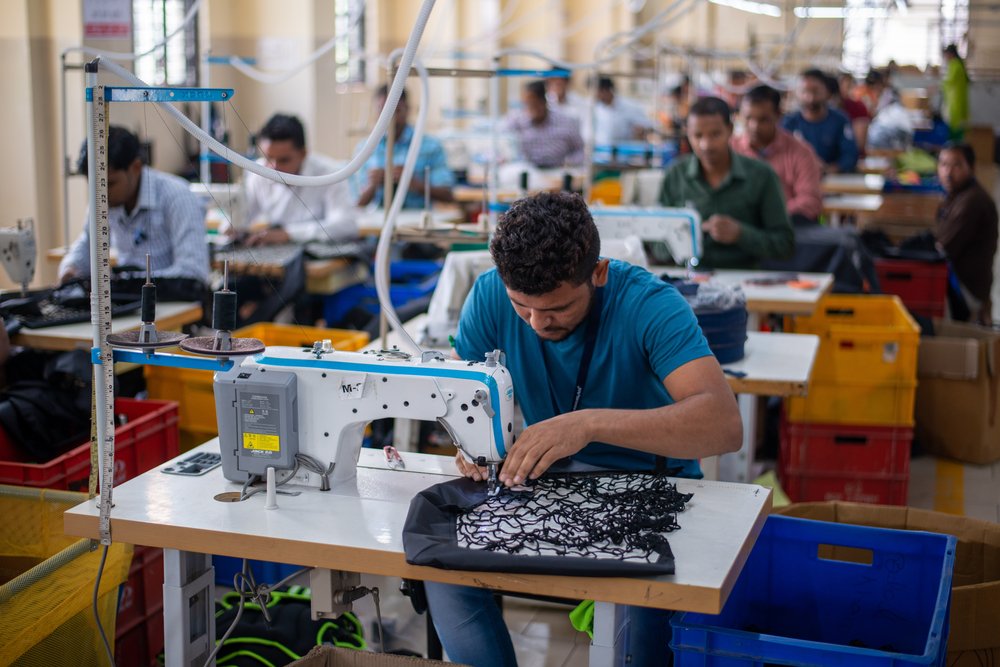
India's ARC universe holds assets with a face value north of ₹2.5 lakh crore. Most of those assets have operating businesses behind them — businesses with employees, customers, real productive capacity — caught between a lender that wants resolution and a system that moves slowly.
The IBC (Insolvency and Bankruptcy Code) has improved resolution timelines. The average time to resolution has come down from the pre-IBC average of 4+ years to under 18 months for cases that go through the full CIRP. But the IBC pipeline remains large, and many cases that could be resolved consensually outside IBC are not, because promoters and lenders are talking past each other.
Two Types of Stressed Capital
Type 1: Assets that need an exit. Lenders want to sell. ARCs want to recover. The business may or may not survive the process. This is the bulk of what gets written about.
Type 2: Businesses that need revival capital. The underlying operations are viable. The stress is financial, not operational. With the right OTS structure and a working-capital injection, the business can return to health without going through formal insolvency.
The second category is where we work. It is also where the gap is.
What Revival Capital Looks Like in Practice
A revival engagement typically involves four things moving simultaneously:
OTS negotiation with the lender. Banks and ARCs will take haircuts — sometimes significant ones — if the alternative is a prolonged CIRP with uncertain recovery. The IBC gave lenders a credible threat; it also gave promoters more negotiating leverage than they had pre-2016 when banks could sit on a stressed account for years.
Bridge funding to execute the settlement. The OTS payment is typically due within 90–180 days of the agreement. The business cannot generate that cash internally — that's why it's stressed. The bridge comes from private sources, priced to the short tenure and the risk.
Fresh working capital for the revived entity. A business that has just settled its debt is not immediately bankable. It needs a track record of clean operations before PSU banks will touch it. The working capital in the first 12–24 months post-revival typically comes from NBFCs or private credit.
Re-establishing banking relationships. CIBIL scores get rebuilt. GST compliance needs to be clean. Audited accounts need to show the new, lighter debt structure. This takes time and discipline.
The Friction That Remains
The remaining friction in the stressed asset market is capital access, not legal framework.
Banks will not lend to a company mid-resolution. ARCs price opportunistically. The bridge capital to execute an OTS comes from private sources — and those sources are few, expensive, and require significant relationship access to identify.
That is the gap we fill. And it remains one of the most structurally underserved opportunities in Indian finance.
The question for any promoter sitting on a stressed asset is not whether a deal is possible. In most cases where operations are viable, it is. The question is whether you have the right people in the room to structure it.